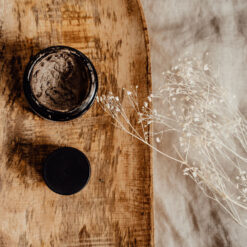
ingredients
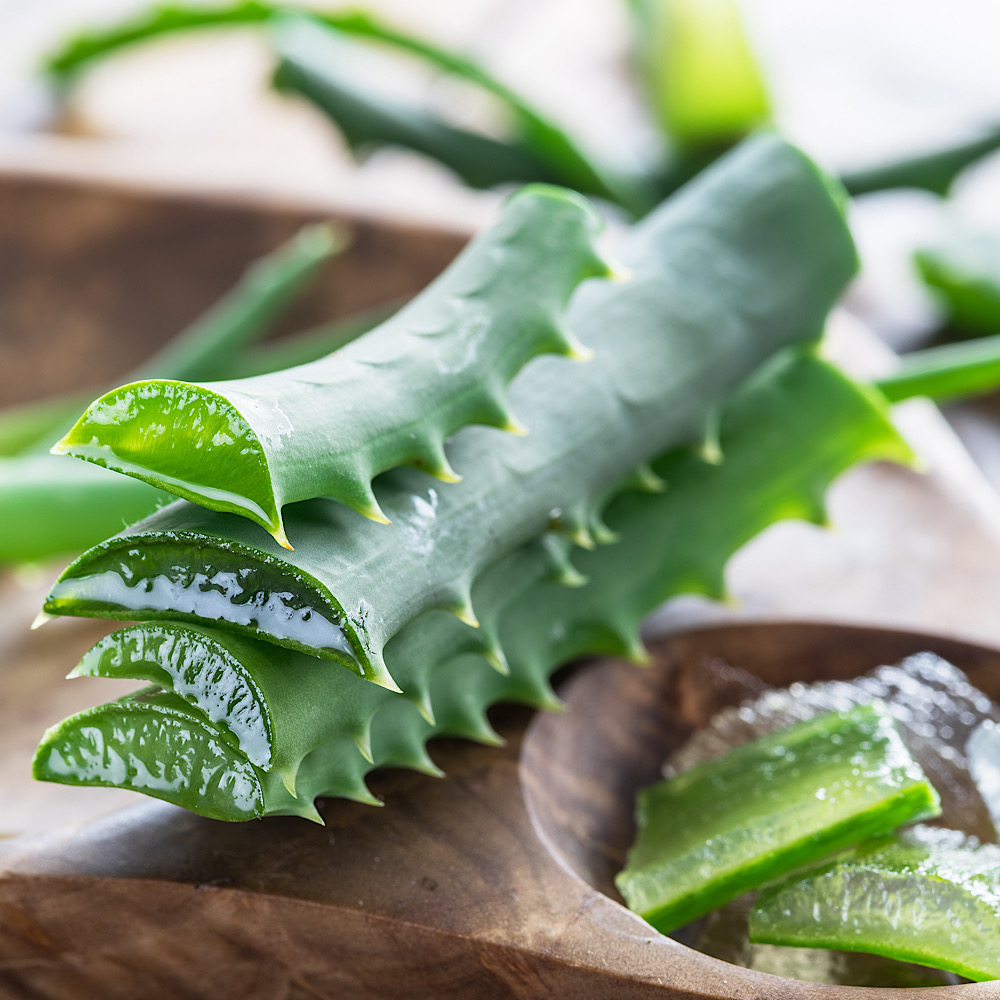
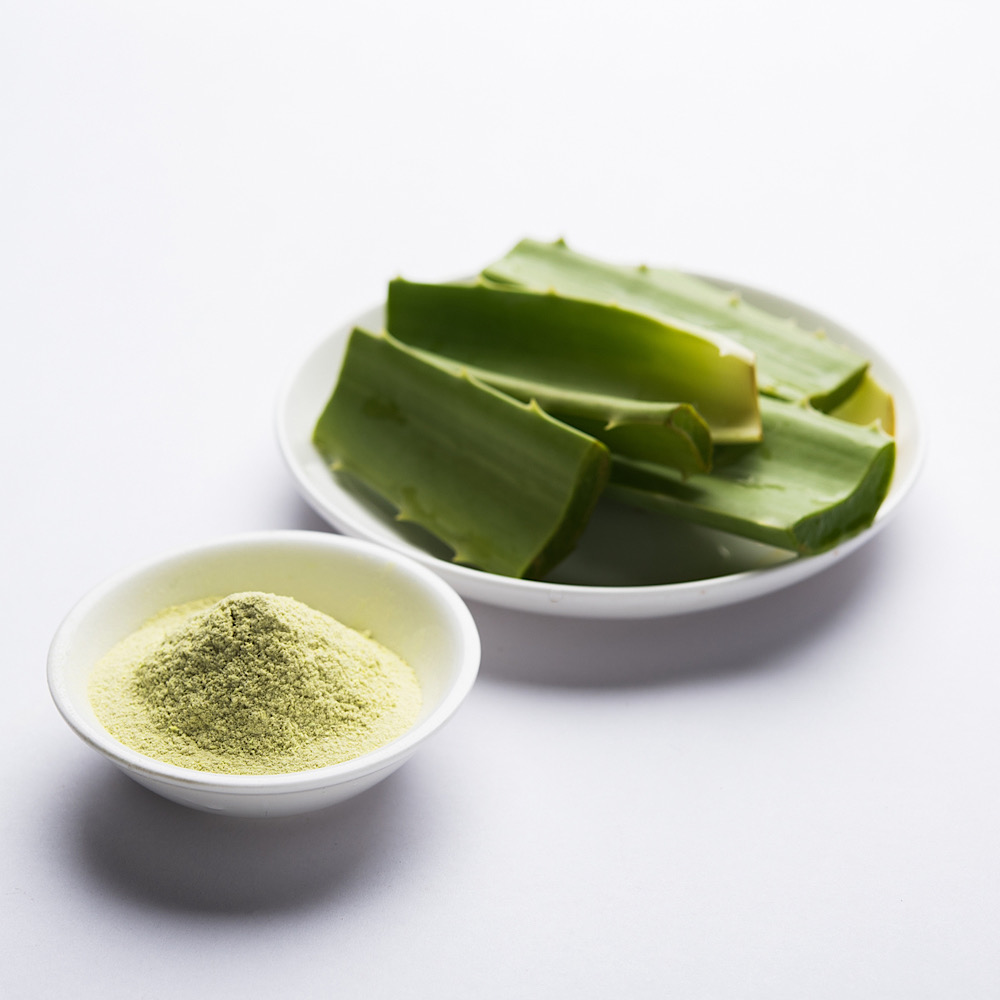
*100% pure raw freeze-dried aloe vera powder – 200x potency
*organically grown
gluten free
raw
sourced from Spain due to the most high-quality aloe vera from subtropical and Mediterranean climates, particularly in the Canary Islands and Andalusia
benefits
It is excellent for dietary supplements, topical and agricultural use.
- Pure Aloe Vera Inner Leaf Gel Extract Powder
- No green Skin therefore free of Aloin
- 200 times more potent than crude Aloe Vera Gel
- Certified Organic and Star-K Kosher
- Water-Extracted & Water-Soluble
- No Additives, Fillers, or Other Ingredients
- Non-GMO, Vegetarian / Vegan, Non-Irradiated.
Aloe Vera Uses:
Aloe vera has been used for thousands of years to treat a variety of conditions, including skin injuries, digestive problems, and more. Here are some of the most common uses of aloe vera:
- Skin Care: Aloe vera gel is often used to treat skin irritations, burns, wounds, and sunburns. It has anti-inflammatory and soothing properties that help to reduce redness and promote healing.
- Wound Healing: Aloe vera has been shown to accelerate wound healing by improving blood circulation, reducing inflammation, and promoting collagen synthesis.
- Digestive Issues: Aloe vera juice has been used to treat digestive problems such as constipation, irritable bowel syndrome (IBS), and inflammatory bowel disease (IBD).
- Acne: Aloe vera has antibacterial and anti-inflammatory properties that can help to reduce acne and prevent future breakouts.
- Anti-Aging: Aloe vera contains antioxidants that can help to reduce fine lines and wrinkles, and improve skin elasticity.
- Hair and Scalp Issues: Aloe vera can be used to treat dandruff, itchiness, and other scalp issues, as well as to promote healthy hair growth.
- Oral Health: Aloe vera has been shown to reduce inflammation and prevent tooth decay, making it a popular ingredient in natural toothpaste and mouthwash.
- Radiation Burns: Aloe vera has been used to treat radiation burns and reduce the risk of complications.
- Heartburn: Aloe vera juice has been shown to reduce heartburn symptoms and improve digestion.
- Anti-Inflammatory: Aloe vera has anti-inflammatory properties that can help to reduce pain and swelling in the body.
Effective Pain Relief
Aloe vera has been found to be effective in providing pain relief for various conditions, including:
- Arthritis: Aloe vera has anti-inflammatory properties that can help reduce joint pain and inflammation associated with arthritis.
- Muscle pain: Aloe vera gel can be applied topically to relieve muscle pain and soreness.
- Back pain: Aloe vera has been found to reduce back pain by reducing inflammation and promoting healing.
- Skin pain: Aloe vera gel can be used to treat skin pain caused by burns, cuts, and wounds.
How Aloe Vera Works:
- Reducing inflammation: Aloe vera contains anti-inflammatory compounds that help reduce inflammation and swelling.
- Relieving pain: Aloe vera has analgesic properties that help relieve pain and discomfort.
- Promoting healing: Aloe vera promotes wound healing by stimulating collagen synthesis and improving tissue repair.
Using Aloe Vera for Pain Relief
Aloe vera can be used in various ways to provide pain relief:
- Topical application: Apply aloe vera gel directly to the affected area to relieve pain and inflammation.
- Oral consumption: Aloe vera juice or supplements can be taken orally to provide systemic pain relief.
- Combination therapy: Aloe vera can be combined with other natural remedies, such as turmeric and ginger, to enhance its pain-relieving effects.
tips for best results
Using Aloe Vera for Pain Relief
Aloe vera can be used in various ways to provide pain relief:
- Topical application: Apply aloe vera gel directly to the affected area to relieve pain and inflammation.
- Oral consumption: Aloe vera juice or supplements can be taken orally to provide systemic pain relief.
- Combination therapy: Aloe vera can be combined with other natural remedies, such as turmeric and ginger, to enhance its pain-relieving effects.
Aloe Vera Dietary Supplement Directions:
- As a dietary supplement, add 1/8 level teaspoonful (500 mg) to water, smoothie or juice. Drink throughout the day. Or as directed by your physician.
Aloe Vera Topical Directions:
- For Skin Care: Mix about 1/4 tsp of Aloe Vera Powder in your palm with a little water until a paste is formed. For best results, dampen the face with supernatural time traveler or black rice + terpene toning face mist and massage the gel in circular motions for up to 5-10 minutes. Rinse.
- For Hair Wash: Blend Aloe Vera Powder with micellar juice cleanse for cleansing power and to thicken to a consistency closer to that of shampoo. Massage the gel gently into the hair and scalp. Leave on the hair for up to 5 minutes, then wash out.
Agricultural Use Directions:
- Add 1/8 teaspoon to 1 gallon of water and mix well. Apply directly to soil or foliar spray within 1 hour of mixing. When mixing, add water first then the product. Only mix what you intend to use immediately.