
They don’t look like cigarettes. They don’t smell like vapes. They come in sleek little tins with flavors like “cool mint” and “citrus chill,” sold as “tobacco‑free,” “smoke‑free,” and “plant‑based.” On the surface, nicotine pouches like ZYN look more like candy or energy mints than a highly addictive drug product.
But behind the clean marketing is a very different story: pharmaceutical‑grade nicotine, hidden chemicals like formaldehyde and ammonia, trace metals, and pouch materials that aren’t fully biodegradable. Parents are being sold a “safer” alternative while their teens are being targeted with a product that’s easy to hide, easy to use in secret, and definitely not harmless.
Brands go out of their way to sound different and more “natural” than cigarettes or vapes. They highlight “tobacco‑free” labels, talk about “plant‑based fibres” in the pouch shell, and lean on words like “clean,” “simple,” and “pharmaceutical‑grade” to make it feel like a wellness product. What they don’t highlight are the pH chemicals, humectants, stabilizers, and flavor systems that make the pouch work—and the low‑level toxicants that show up when scientists actually test the product.
In fact, France has gone so far as to ban nicotine pouches entirely—and even being found in possession of a nicotine pouch (not just selling them) is treated as a serious offense that can carry very severe penalties, reportedly up to five years in prison. That’s a stark contrast to the way these same products are marketed in North America.
Cool, Clean, and “Tobacco‑Free”
-
Flavors and branding:
Flavors sound like candy, soda, or gum: mint, citrus, mango, berry, “chill,” “frost,” etc. Packaging looks like energy products or mints, not medicine or tobacco. Colorful, minimalist tins are easy to slip into pockets, backpacks, and lockers without drawing attention. -
“Tobacco‑free” and “smoke‑free” language:
Marketing emphasizes that these pouches contain no tobacco leaf and produce no smoke or vapor. This framing makes them sound more like a wellness or lifestyle product than a nicotine delivery system. Teens easily interpret “tobacco‑free” as “risk‑free,” when that is very far from the truth. -
Stealth appeal:
Pouches sit quietly under the lip, with no smell and no visible cloud. Teens can use them in class, on the bus, at home, even during sports or gaming, without obvious signs an adult would notice. This constant, hidden use can add up to very high daily nicotine exposure.
High Nicotine, Small Package
-
Concentrated nicotine per pouch:
Typical strengths are around 3–6 mg of nicotine per pouch, sometimes higher, delivered directly through the gums. The nicotine still rapidly enters the bloodstream even though there is no smoke or vapor. -
Impact on a developing brain:
Teen brains are still wiring their reward pathways; nicotine can hard‑wire dependence, anxiety, and attention issues. Even a “low” strength pouch can be a lot for a teen with no previous nicotine exposure. -
Stealthy, frequent dosing and “energy boosts”:
Because pouches are discreet and “classroom‑friendly,” teens can easily go from “trying one” to using multiple pouches a day. Many users report that they quickly escalate from about one pouch a day to several per day because they’re chasing a sustained energy or focus boost. The problem is that the boost typically lasts no more than an hour or two, so they dose again and again to avoid the crash and keep the feeling going. Over time, this pattern becomes less about a pleasant buzz and more about avoiding withdrawal and low energy.
What’s Really Inside the Pouch?
On the label and FAQ pages, brands emphasize “pharmaceutical‑grade nicotine salt,” “plant‑based fillers,” “stabilizers,” and “natural flavors.” What they do not highlight are the low‑level but measurable toxicants and the engineered moisture/texture chemistry that show up when scientists actually test the product material.
Key hidden constituents parents should know about:
-
Formaldehyde (a known toxin):
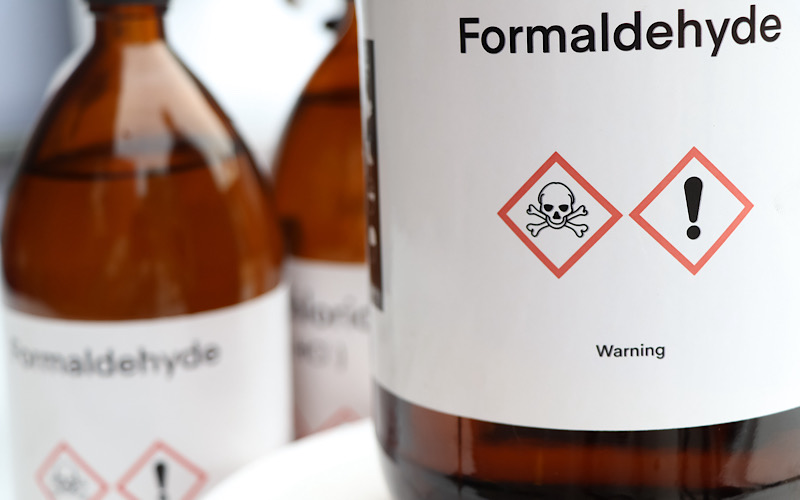
Independent lab studies on nicotine pouches, including popular brands, have found formaldehyde inside the product. Measured levels are in the microgram‑per‑gram range; in some tests, “dry” pouches contained several times more formaldehyde than “moist” versions. Formaldehyde is not listed as an ingredient; it forms as a by‑product of the nicotine, pH adjusters, and processing chemistry, and still ends up in the pouch that sits against the gum. -
Ammonia and pH adjusters:
Nicotine pouches rely on pH manipulation to make nicotine more bioavailable and less harsh. Analytical work has detected residual ammonia in products like ZYN, indicating ammonia or ammonium compounds are part of the system. Ammonia is used to tweak pH and the free‑base fraction of nicotine—but it is not something most parents expect in what looks like a mint or wellness product. -
Heavy metals (e.g., chromium, nickel):
Tests have reported trace levels of metals such as chromium and nickel in nicotine pouches. These likely originate from raw materials (plant fillers, flavor systems) or contact with manufacturing equipment. Chronic gum‑line exposure to nicotine plus metals is very different from what the “tobacco‑free” branding implies.
Moisture and Texture Chemistry (the “soft, fluffy” feel):
To keep the pouch moist, soft, and effective, manufacturers blend nicotine salts with a set of functional ingredients that rarely get spelled out in plain language:
-
Microcrystalline cellulose / plant fillers:
This is a refined, industrially processed cellulose powder made from plant material. It gives bulk and structure to the pouch contents, creating the white, fluffy mass that holds nicotine and flavors. “Plant‑based” sounds wholesome, but this is a processed excipient, not a leaf or simple fibre. -
Humectants (moisture‑holding agents), often sugar alcohols:
Ingredients such as maltitol or other sugar alcohols (polyols) are used to keep the pouch contents moist, help dissolve flavors and nicotine in saliva, and provide a slightly sweet, smooth mouthfeel. These are chemically modified sugar derivatives, commonly used in sugar‑free candies and gums. They help hold moisture and can contribute to a sticky film on teeth and gums when used repeatedly throughout the day. -
Stabilizers and binders (e.g., hydroxypropyl cellulose):
Hydroxypropyl cellulose is a chemically modified cellulose. It helps the powdered ingredients stick together, controls how fast the pouch soaks and releases nicotine, and keeps the texture uniform during storage. It is widely used in pharmaceuticals, but here it hides under the simple label “stabilizer,” maintaining a “plant‑based” image while relying on a lab‑modified polymer. -
pH adjusters / buffering agents:
These are food‑ or pharma‑grade alkaline or buffering chemicals added to push the pouch into a more alkaline range so nicotine absorbs faster and feels smoother. They are functional chemicals designed to engineer a stronger nicotine hit, not to support gum health. -
Flavor systems and sweeteners:
“Flavor” on an ingredient list can represent a complex mixture of synthetic and natural flavor molecules plus sweeteners. These systems are designed to mask nicotine’s harsh taste and make the experience enjoyable—mint, fruit, dessert‑like profiles—rather than to keep the mouth environment neutral or healthy.
Taken together, this means the “moist, soft, minty” experience is not coming from a simple piece of plant fibre and a sprinkle of mint. It is created by an engineered combination of refined plant powders, chemically modified celluloses, moisture‑holding sugar derivatives, pH chemicals, and flavor mixtures—all of which sit directly on gum tissue.
Takeaway for parents:
These products are not “just nicotine and mint.” They are a formulated drug delivery system that includes nicotine, pH‑shifting agents, humectants, stabilizers, flavor chemistry, and detectable levels of formaldehyde, ammonia, and certain metals—none of which appear as big bold warnings on the front of the can.
The “Plant‑Based” Pouch Shell
The shell (the little white sachet that holds the contents) is marketed as plant‑based fibre. But environmental and industry analyses show the reality is more complicated.
-
Not fully biodegradable:
Nicotine pouches are often described as “not fully biodegradable.” Explanations from industry and environmental sources describe the shell as made from plant fibres plus small amounts of plastic or synthetic binders. This means the pouch behaves more like a composite material than pure paper or cotton. -
Microplastic potential:
When a pouch is used, chewed, discarded, or breaks down in the environment, those plastic components can become microplastic fragments. These pouches are not meant to be swallowed, but they sit directly on mucosal tissue (gums and inner lip), in constant contact with saliva. Parents are rarely told that the “plant‑based” pouch likely contains undisclosed synthetic fibres or binders touching their child’s gum for 10–30 minutes at a time. -
The tea bag analogy:
Many “paper” tea bags turned out to contain polypropylene or PET mesh to hold them together—something never obvious from the front of the box. Nicotine pouch shells are following a similar pattern: plant fibre marketing, with plastic reinforcement left out of the consumer‑facing ingredient story.
Why Parents Should Care
-
Brain development and addiction risk:
Teen brains are more susceptible to addiction and long‑term changes in mood, attention, and stress response. High‑frequency, discreet nicotine dosing via pouches can lock in dependence before parents even realize their child is experimenting. -
Oral and gum health:
Direct, repeated contact between gums and a chemical mixture containing nicotine, flavors, pH adjusters, residual formaldehyde and ammonia, plus possible microplastic fibres raises obvious concerns. Teens may notice gum tenderness, irritation, or changes in tissue, but write it off as “no big deal” because there is no smoke or vapor. -
Gateway and normalization:
When a product is framed as “tobacco‑free,” flavored like candy, and easy to hide, it normalizes daily nicotine use. This can make progression to other nicotine products (vapes, cigarettes, other stimulants) feel like a small step, not a big decision. -
Regulatory contrast – the France example:
While North American teens can buy these products in convenience stores and gas stations, France has chosen to ban nicotine pouches altogether. In France, nicotine pouches are treated seriously enough that being found in possession—not just selling them—can be treated as a criminal offense, with penalties that can reportedly reach up to five years in prison. When another country classifies these products as dangerous enough to outlaw and criminalize, it should give parents pause about letting them slide as “harmless mints.”
How to Talk About Nicotine Pouches With Your Teen
Instead of leading with fear or shame, lead with facts and questions.
-
Start curious, not accusatory:
“Have you seen those little white nicotine pouches kids are using at school?”
“What do people say about them—do they think they’re safer than vapes or cigarettes?” -
Share one or two key facts:
“They’re not just ‘tobacco‑free’ mints; they’re concentrated nicotine plus hidden chemicals like formaldehyde, ammonia, and metals.”
“The pouch sitting on your gum is made from fibres that aren’t fully biodegradable and likely contain plastics, a bit like some tea bags.” -
Discuss addiction openly:
Explain that nicotine’s job is to make the brain want more—especially powerful in teenagers. Point out that the “harmless” appearance doesn’t change how strongly it can hook someone, especially when the buzz or energy lift only lasts an hour or two and encourages repeated use. -
Offer support, not just rules:
If your teen is already using pouches, talk about step‑down strategies, safer alternatives, or professional help. Make it clear you’re more interested in their long‑term health than in punishing them.
Tobacco‑Free Doesn’t Mean Risk‑Free
Nicotine pouches are being sold as sleek, modern, “tobacco‑free” fixes for an old habit—but that does not make them safe or teen‑friendly. Behind the minty flavors and plant‑based marketing, they deliver high doses of nicotine alongside hidden chemicals like formaldehyde, ammonia, chromium, and nickel, in a pouch shell that isn’t fully biodegradable and likely includes plastic binders. When a product is easy to hide, easy to use anywhere, and deliberately engineered to feel clean and harmless, it becomes even more important for parents to know what is really touching their child’s gums. Tobacco‑free is not risk‑free—and our kids deserve better than being targeted with chemical candy disguised as a lifestyle accessory.