
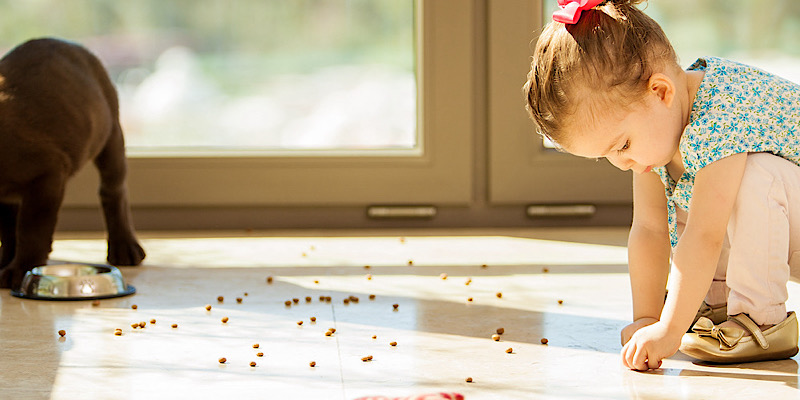
That “natural” hydrating mist and “natural” mineral powder foundation you love? When residue settles on floors, furniture, and other surfaces, it becomes an invisible hazard for the most vulnerable—your pets, babies, and children who crawl, play, and breathe at ground level. While adults might develop sensitivity over years, these tiny particles and vapors deliver immediate, concentrated exposure through inhalation, ingestion, and skin contact. Avoiding fragrance, coated alcohols, essential oils, mica, sericite, silica, talc, titanium dioxide, and magnesium stearate is no longer just about skin health—it is about whole‑family safety.
Long-wear sprays: rub-off and floor fallout
Common ingredients in setting sprays (even “natural” ones):
-
Parfum / fragrance (up to 500 undisclosed chemicals): phthalates (endocrine disruptors), limonene/linalool (allergens), synthetic musks that off‑gas for hours and sink to floor level.
-
Essential oils (often over-concentrated): Tea tree, eucalyptus, peppermint, citrus—toxic to cats/dogs when mixed with volatile alcohols/propellants, causing respiratory distress or liver damage via inhalation/ingestion.
-
Alcohol denat. / SD alcohol: strips skin oils and dries the barrier, then irritates pet skin and paws when rubbed off during cuddles.
-
Phenoxyethanol: a preservative linked to eczema and nervous system effects in infants, easily ingested by pets through grooming.
-
Butane / isobutane (aerosol propellants): volatile chemicals whose heavier vapors settle low where babies and pets breathe.
-
Silicones (cyclomethicone, dimethicone): microplastic film-formers that cling to fur, skin, and surfaces, and add to the toxic load when inhaled or ingested.
The daily rub-off + floor contamination cycle:
-
Face-to-fur transfer: Spray, then cuddle. Residue transfers to fur and skin; pets lick it off, allowing phthalates and other chemicals to bioaccumulate.
-
Floor sink: Volatile compounds and droplets drift down to the ground, where babies do tummy time and pets sniff, sleep, and play.
-
Chronic dosing: Daily use means continuous, low‑grade exposure. Children’s thinner skin and faster metabolism increase their vulnerability, while constant grooming multiplies a pet’s intake many times over.
Even “natural” sprays rarely get a pass from holistic practitioners. “Parfum” still hides synthetic phthalates and allergens, alcohol (even organic) dries and irritates skin and paws, and essential oils—though marketed as safe—can be toxic to animals. Tea tree, eucalyptus, peppermint, and citrus oils are risky for cats; pennyroyal, wintergreen, and pine can be dangerous for dogs. Popular blends like strong lavender may still overwhelm sensitive systems at the concentrations used in mists and sprays.
Respiratory risks from powder fallout
Sericite, silica, mica, and nano‑titanium dioxide in powders are all ultra‑fine particles that easily become airborne and linger for hours. Pets constantly sniff floors; babies inhale close to the ground during crawling or tummy time. Chronic exposure can lead to lung irritation and inflammation; silica is associated with silicosis‑like scarring, while nano‑titanium dioxide and coated mica contribute oxidative stress and inflammatory reactions in delicate respiratory systems.
Even when you only see “mica” or “sericite” listed on the label, they often carry all the above risks through undisclosed coatings—silicones, PFAS, nano‑silica, and titanium dioxide used to modify slip, color, and wear. Pets then groom fur that has picked up this dust from floors, ingesting sericite, silica, PFAS‑coated mica, and nanoparticles day after day. Holistic vets report chronic coughs, digestive upset, and skin issues in animals living in powder‑heavy homes.
Ingestion and absorption for babies and children
Babies explore the world with their hands and mouths. A fingertip of spilled eyeshadow or setting powder can deliver a concentrated dose of dimethicone microplastics, nano‑TiO2, magnesium stearate, and coated minerals. Because children swallow and inhale more per kilogram of body weight than adults, PFAS and other persistent coatings from “natural” powders can build up more quickly, with potential links to developmental and hormonal disruption.
Their skin barrier is also thinner and less mature, making it easier for particles and soluble chemicals to cross into deeper layers and interact with developing microbiomes and immune systems.
Why creams and butters are safer by design
From a physics perspective, powders are impossible to fully contain. Silica, mica, and nano‑TiO2 have ultra‑low mass and tiny particle size, so they float in the air with every brush stroke. Even pressed powders are only solid in the pan; once disturbed, they shed the same respirable dust as loose powders. Brushes, buffing, and blending all generate micro‑clouds that drift onto floors, furniture, bedding, and fur.
Cream and anhydrous butter formulas simply do not behave this way. Plant butters and oils stay put; they do not aerosolize, drift, or settle as dust. One swipe stays on the skin, rather than turning into an invisible fog that pets and babies breathe, lick, or absorb.
The same logic applies to hair products. Hairsprays are some of the most fragrance‑dense products in the home, combining high levels of parfum with aerosol propellants and film‑forming polymers. Every spray creates a cloud at head height that quickly drops into the breathing zone of children and animals, coats hair and fur, and settles onto floors and fabrics. Pets nuzzling hair or licking their humans pick up phthalates, alcohols, acrylates, and fragrance residues with every contact.
A Safer Path Forward
Anhydrous, plant-butter-based makeup and solid or cream hair stylers avoid both dust and spray. They offer concentrated performance without fallout, without chemical clouds, and without leaving a toxic trail across the home. Choosing powder-free, fragrance-free, and spray-free options whenever possible is not only an act of self-care—it is a tangible way to protect the animals and children who share our space and trust us with their safety.
As their guardians, we carry a profound responsibility. Our pets and little ones cannot speak up about the air they breathe or the surfaces they touch—they have no choice in the quality of their environment. It falls to us to make decisions that honor their vulnerability, creating a home where beauty enhances life rather than silently undermines it. Let’s choose with intention, for the ones who depend on us most. 🐾👶✨