Description
Powered by saffron, manjishta, licorice, lotus, blue water lily, and red sandalwood, fig + saffron serum is crafted to brighten, even, and deeply nourish while remaining calm enough for heat‑sensitive, blemish‑prone skin. Tree medicines like Java fig and banyan quietly support the look of texture and scars, while mahua, vetiver, bael, and the Dashamoola roots cocoon the skin in replenishing lipids and soothing botanicals.
ingredients
cold-pressed sesame oil*, saffron (crocus sativus), red sandalwood (pterocarpus santalinus), manjishta / indian madder (rubia cordifolia), licorice / mulethi (glycyrrhiza glabra), vetiver / khus (vetiveria zizanioides), lotus stamen / kamal kesar (nelumbo nucifera), blue water lily / neelkamal (nymphaea stellata), padmaka / wild himalayan cherry (prunus cerasoides), bael fruit (aegle marmelos), java fig / plaksha (ficus lacor), indian banyan / nyagrodha (ficus benghalensis), daruhaldi / indian barberry (berberis aristata), mahua / madhuka (madhuca longifolia), agnimantha (premna mucronata), shyonaka / indian trumpet flower (oroxylum indicum), gambhari / gamhar (gmelina arborea), patala (stereospermum suaveolens), shalaparni (desmodium gangeticum), prisni parni / prishnaparni (uraria picta), gokshur / gokharu (tribulus terrestris), brihati (solanum indicum), kantakari / yellow berried nightshade (solanum xanthocarpum), patranga / sappanwood (caesalpinia sappan).
*organically grown
wildcrafted
shelf life – 9 months
skin benefits
Hero brighteners and radiance boosters
-
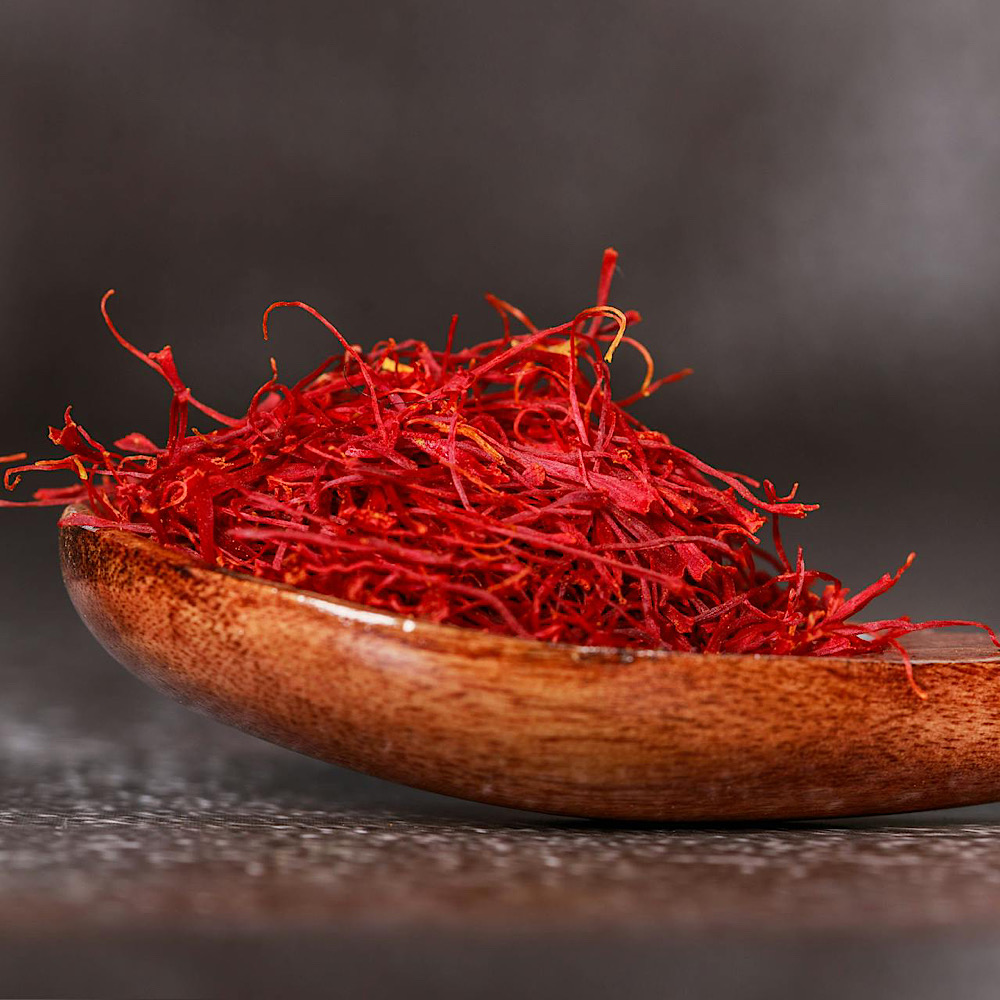
Kesar / Keshara (Crocus sativus – Saffron)
Often called the heart of Kumkumadi, saffron is traditionally used to brighten the complexion, support an even skin tone, and give “glow”. Modern data points to antioxidant and melanin‑modulating properties, which match its use for dullness, spots, and overall radiance.
-
Manjishta (Rubia cordifolia – Indian madder)
A classic blood‑cleansing and complexion‑enhancing herb in Ayurveda. It’s used externally for marks, post‑blemish scars, and uneven tone, and is often paired with saffron to refine texture and clarity over time.
-
Madhuyashti / Mulethi (Glycyrrhiza glabra – Licorice)
Rich in brightening actives, licorice is loved in both Ayurveda and modern skincare for softening pigmentation, sun spots, and dull patches. It gently supports a more even, luminous tone without the harshness of aggressive acids.
-
Padmaka (Prunus cerasoides – Wild Himalayan cherry)
Traditionally used as a complexion and glow enhancer and included in brightening tailams. It brings gentle antioxidant support and helps soften the appearance of fine lines and dullness.
-
Kamal Kesar & Neelkamal (Nelumbo nucifera & Nymphaea stellata – Lotus & Blue water lily)
Lotus and blue lily are classic “beauty flowers” in Ayurveda – they lend hydration, softness, and a petal‑like smoothness to the skin, while supporting comfort in heat‑aggravated or tired complexions.
Cooling, soothing, and “tropical‑climate” herbs
-
Lal Chandan (Pterocarpus santalinus – Red sandalwood)
Traditionally used as a cooling, calming paste for redness, heat, and post‑acne marks. In a serum, it supports skin that’s reactive, flushed, or prone to heat‑triggered breakouts.
-
Usheera / Khus (Vetiveria zizanioides – Vetiver)
Deeply grounding and cooling, vetiver is used for inflamed, sensitized, or sun‑stressed skin. It helps with hydration, barrier support, and a soothed feel in hot climates.
-
Bel (Aegle marmelos – Bael fruit)
Traditionally considered cooling, astringent, and pitta‑pacifying, so it fits beautifully in a formula meant to balance heat‑aggravated, oily, or breakout‑prone skin. It subtly supports clarity and comfort.
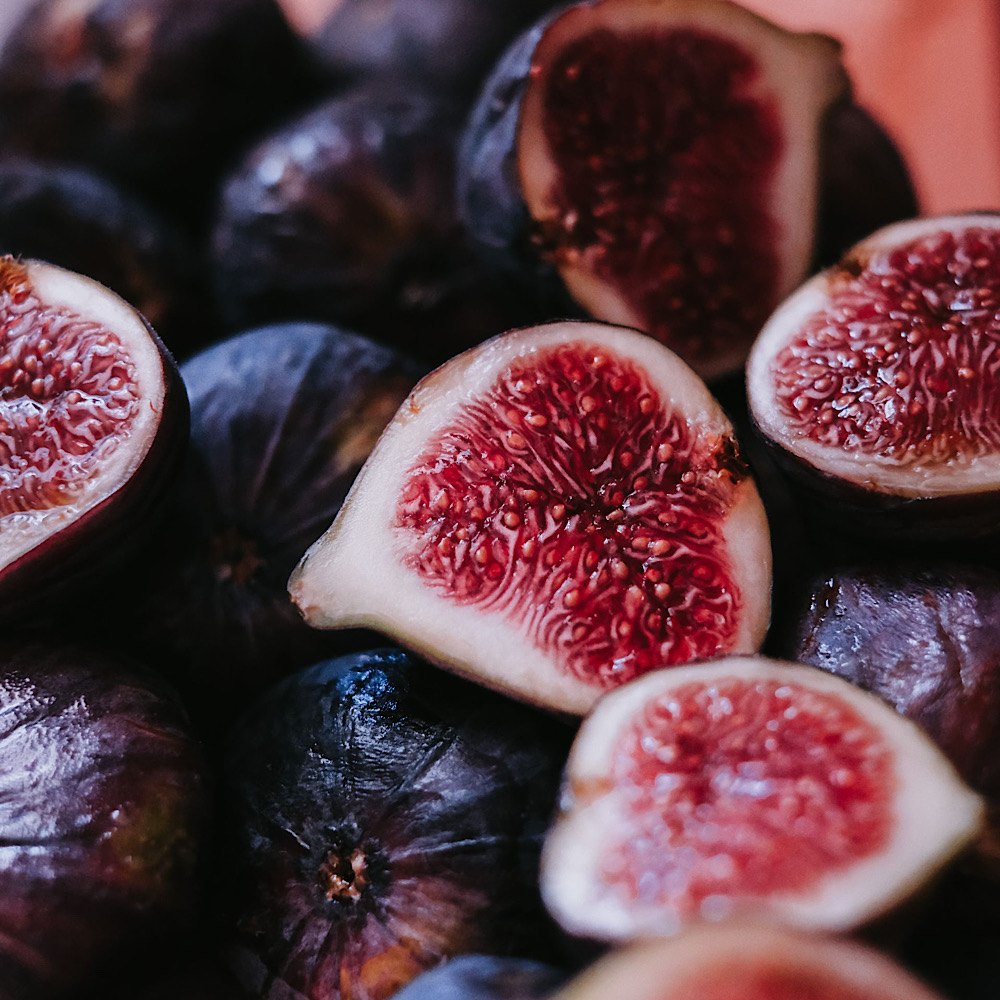
Fig + tree medicines – structure, resilience, and subtle repair
-
Plaksha / Java Fig (Ficus lacor)
Ayurvedic texts use Plaksha for wounds, mouth ulcers, and bleeding disorders, suggesting vulnerary (wound‑supportive) and astringent actions. In a skin serum, this translates into a plant that gently supports repair, resilience, and refined texture.
-
Bargad / Nyagrodha (Ficus benghalensis – Indian banyan)
Another revered fig, associated with stability and support; externally its bark is used for soothing and tightening tissues. Together, the fig pair gives your “fig + saffron” story real backbone: tree medicines for long‑term strength + scar refinement, not just surface glow.
Deeply nourishing, emollient, and barrier‑supportive
-
Mahua / Madhuka (Madhuca longifolia)
Mahua seed oil is rich in oleic and linoleic acids and known as a deeply moisturizing, barrier‑restoring, and soothing oil for dry or reactive skin. It helps lock in hydration, soften rough patches, and support elasticity.
-
Gambhari, Patala, Shyonaka, Agnimantha (Gmelina arborea, Stereospermum suaveolens, Oroxylum indicum, Premna mucronata – Dashamoola group)
These are part of the classical Dashamoola group, used traditionally for inflammation, tissue nourishment, and deep systemic support. In topical use, they back a story of foundational resilience and comfort for stressed skin.
-
Shalaparni & Prisni parni (Desmodium gangeticum, Uraria picta)
Also Dashamoola members; they support tissue strength and recovery, echoing the serum’s role in helping skin bounce back from stress, dryness, or blemishes.
-
Mahua + base oils overall
Together with your main carrier(s), they create a cushiony, protective lipid layer that feels rich but can be balanced so it doesn’t suffocate the skin.
Clarifying, detoxifying, and refining herbs
-
Daruhaldi (Berberis aristata – Indian barberry)
Traditionally prized as a “skin purifier” with antimicrobial and anti‑inflammatory actions. Supports blemish‑prone, congested, or uneven skin.
-
Gokshur (Tribulus terrestris)
Often used in formulations for fluid balance and tissue tone; topically it fits the theme of refinement and support in puffiness or congestion‑prone areas.
-
Brihati & Kantakari (Solanum indicum, Solanum xanthocarpum)
These are classic respiratory and anti‑inflammatory plants; in external use they contribute to clarifying and calming irritated or problem‑prone skin as part of a broader synergy.
-
Patranga / Patanga (Caesalpinia sappan – Sappanwood)
Known as a raktashodhaka and varnya herb – “blood‑cleanser” and complexion enhancer. Its brazilin‑rich heartwood brings antioxidant, anti‑inflammatory, and subtle color‑giving properties, traditionally used in formulations for clear, glowing skin and skin conditions.
Subtle cooling / harmonizing support
-
Padmaka, Lotus, Blue lily, Vetiver, Bel, Patranga, Dashamoola together
This combination gives your formula a strong pitta‑soothing, heat‑balancing signature: perfect for acne‑prone, easily flushed, climate‑stressed skin that still needs radiance rather than stripping.
whole body benefits
calming & mood‑uplifting allies
saffron (kumkuma / crocus sativus)
traditionally revered as a heart‑lightening, spirit‑uplifting flower, saffron has been used in ayurveda and greek‑persian traditions to support emotional balance and a more positive outlook. taken internally (as a spice or standardized extract), it’s been studied for supporting low mood and stress, though your serum honors saffron in a topical, ritual way rather than as a supplement. you can speak to this as an ingredient that “has long been associated with warmth, radiance, and uplifted spirits” and position the nightly massage as a small, mood‑softening ceremony.
sandalwood (red sandalwood / pterocarpus santalinus)
sandalwood is traditionally considered cooling and grounding, often used in temple rituals and meditation pastes for its ability to quiet an overactive mind. a sandalwood‑infused oil can be described as bringing “a sense of inner stillness and cooled, soothed energy,” making the massage feel more like a moving meditation than a routine step.
vetiver (khus / vetiveria zizanioides)
vetiver’s deep roots are mirrored in its traditional use as an anchoring, stabilizing herb. in many systems it’s used to calm heat and restlessness, and its earthy aroma is often described as reassuring, steadying, and protective. in this context, you might frame it as helping the ritual feel “rooted, grounding, and nervous‑system‑friendly,” especially at night.
circulation, cleansing & “inner glow”
manjishta (indian madder / rubia cordifolia)
beyond its topical use for clarity and brightness, manjishta is a classic blood‑cleansing herb in ayurveda, associated with supporting healthy circulation and the body’s natural detox pathways. while your serum uses it externally, you can nod to that lineage by describing it as a “circulation‑supporting herb traditionally loved for helping the body move stagnation, which in ayurveda is linked with both clear skin and a lighter overall energy.”
lotus & blue water lily (kamal kesar / nelumbo nucifera, neelkamal / nymphaea stellata)
lotus and water lilies are archetypal “mind‑heart” flowers in ayurveda and yoga philosophy: symbols of rising above heaviness, emotional clarity, and spiritual beauty. they’re often said to cool excess heat in the system and to harmonize the heart center. you can frame them as flowers that “honor both complexion and consciousness, inviting a sense of gentle uplift and spaciousness.”
padmaka / wild himalayan cherry (prunus cerasoides)
padmaka is traditionally used for complexion and pitta‑balancing, which in ayurveda can connect to soothing intensity, irritability, and heat in body and mind. in your copy you might say it “helps harmonize heat, reflecting the ayurvedic idea that a calm, balanced inner state is mirrored in the skin.”
soothing, buffering & stress‑softening
licorice (mulethi / glycyrrhiza glabra)
internally, licorice root is a classic soother in many herbal traditions: it’s used to comfort irritated tissues, buffer stress, and support adrenal balance (always noting that internal use should be guided by a practitioner, especially with blood pressure concerns). for your external‑use tab, you can position it as a “sweet, cushioning root traditionally used to soften harsh edges—both on the skin and in the system.”
bael fruit (aegle marmelos)
bael is a beloved digestive and cooling fruit in ayurveda, tied to gut comfort and overall resilience. ayurveda sees digestion (agni) as central to mood, immunity, and skin clarity, so you can reference bael as a fruit that “symbolizes harmonized digestion and steadier energy,” even though, here, it’s present in a topical format.
gokshur / gokharu (tribulus terrestris)
traditionally, gokshur is used to support the urinary tract, reproductive vitality, and a sense of grounded strength. in your story‑telling, this can be described as a “tonic, fortifying herb that, in classical texts, nourishes vitality and replenishes depleted energy.”
grounding trees & subtle resilience
this whole group can be talked about as creating a “forest‑like” field of stability and quiet strength:
-
java fig / plaksha (ficus lacor)
-
indian banyan / nyagrodha (ficus benghalensis)
-
agnimantha (premna mucronata)
-
shyonaka / indian trumpet flower (oroxylum indicum)
-
gambhari / gamhar (gmelina arborea)
-
patala (stereospermum suaveolens)
in ayurveda these are used in various classical formulations to support tissues, joints, and overall vitality. in your copy, think of them as “tree allies traditionally associated with strength, resilience, and long‑term nourishment—mirroring the way a rooted forest weathers seasons of stress.”
application
warm 2–3 drops between fingertips and smooth over clean face and neck. massage gently until absorbed and leave on overnight for best results. for sensitive or blemish-prone skin, begin 2–3 nights per week.
to use on hair, smooth 1 small drop over dry ends only, avoiding the roots.
patch test before first use. discontinue use if irritation occurs.