
What if the hydration you crave from your favorite beauty products is actually less than skin deep? The truth about glycerin’s texture addiction might change the way you care for your skin forever.
Many of us are drawn to the rich feel of glycerin-packed lotions and serums, convinced they’re deeply nourishing. But glycerin can sometimes do the opposite—pulling moisture away from your skin, hair, and scalp, especially in dry climates or sensitive conditions. This hidden texture addiction misleads us into thinking something is working when it might actually be causing harm.
In this post, I uncover the realities of glycerin, why breaking free from it matters, and how glycerin-free alternatives support healthier, truly hydrated skin without the sticky trap.
Are We Addicted to Texture? The Glycerin Effect in Skincare
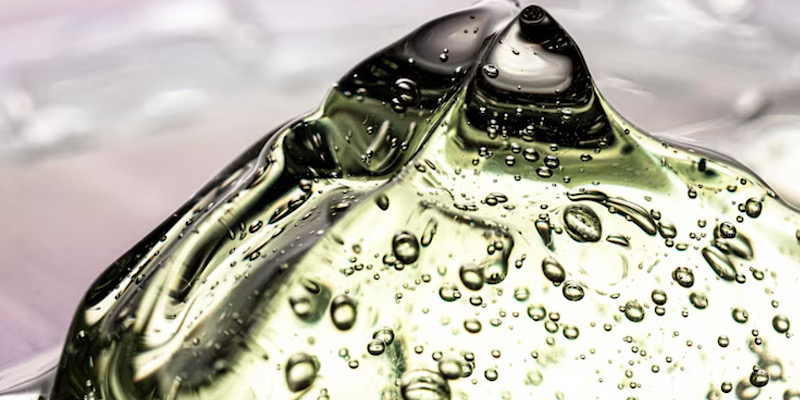
There’s something undeniably appealing about the thick, moist texture glycerin brings to products. That silky, smooth feeling often convinces us a product is deeply hydrating and worth its price. But what if it’s really the texture we’re addicted to, rather than genuine benefits?
For many, the glycerin-rich sensation becomes a sensory ritual—a tactile proof that a product works. Yet glycerin’s heavy texture can cause downsides, especially for sensitive scalps or oily skin, triggering irritation, imbalance, or breakouts.
Having formulated glycerin-free alternatives myself, I’ve seen firsthand how lighter, natural hydration performs beautifully without the sticky weight. My own scalp issues cleared almost immediately when I switched to glycerin-free products, and my skin and hair still feel nourished and healthy.
Alternative Health Perspectives: Glycerin’s Osmotic Paradox
Alternative health voices raise important cautions about glycerin:
-
Paradoxically, glycerin’s strong humectant action can cause dryness by pulling moisture from the skin in low-humidity or dry environments.
-
Anecdotal reports link glycerin’s sticky texture to scalp irritation, buildup, and aggravated conditions like seborrheic dermatitis.
-
Concerns about synthetic glycerin or GMO-derived sources have pushed many toward natural, glycerin-free alternatives.
-
Holistic advocates warn glycerin may disrupt the skin’s oil balance, fostering dependency on external moisture and reducing natural sebum production over time.
-
Gentle substitutes like lightweight oils, fermented plant waters, floral hydrosols, and plant butter-based formulas are recommended as holistic moisturizers.
Glycerin and Whole Body Microbiome Health: A Delicate Balance
Glycerin’s moisture-drawing ability extends beyond skin and affects delicate mucosal tissues. In personal lubricants, it can pull moisture away instead of replenishing, risking dryness and irritation.
Many alternative health experts highlight how glycerin-containing lubricants may:
-
Increase fungal overgrowth and yeast infections by feeding Candida.
-
Cause irritation and inflammation of sensitive mucosal linings via osmotic stress.
-
Disrupt natural microbiome balance, worsening recurrent infections.
For these reasons, glycerin-free, paraben-free lubricants are often favoured to protect mucosal health and prevent complications.
Comparing Glycerin Effects on Vaginal, Skin, and Gut Microbiomes:
Vaginal Microbiome:
Glycerin’s osmotic pull can dry mucosal tissues, disrupting the delicate balance critical to preventing yeast infections and bacterial imbalances—leading to irritation and recurrent infections.
Skin Microbiome:
While glycerin attracts moisture, in dry conditions it can draw water from deeper skin layers, stressing the skin barrier and altering beneficial microbes that support immunity and barrier resilience. This imbalance may cause increased sensitivity and skin flare-ups.
Gut Microbiome:
Though topical glycerin exposure is limited to skin, ingested glycerin can influence gut microbial balance by favoring select bacteria, potentially disrupting overall gut health and indirectly affecting skin via the gut-skin axis.
Where You’ll Find Glycerin: Common Products and Uses
Where You’ll Find Glycerin: Common Products and Uses
Glycerin’s presence as a main ingredient is nearly ubiquitous across categories:
Skincare: Moisturizers, serums, cleansers, haircare products, tanning products
Makeup: foundations, concealers, lipsticks, lip gloss, cheek tints, eye products
Personal Care: Deodorants, shaving creams, body lotions, personal lubricants
Oral Care: Toothpastes, mouth rinses
Supplements: Herbal extracts, syrups, children’s vitamins
Food: Candies, baked goods, beverages, dressings, ice creams
Industrial: Antifreeze, plastics, explosives, biofuels
Despite being labeled “natural,” commercial glycerin undergoes extensive processing, sometimes sourced from GM crops. Truly glycerin-free products remain niche and require intentional choice.
The Darker Side: Potential Risks and Ethical Concerns
-
High glycerin concentrations may irritate skin or mucosa, especially in sensitive individuals or harsh climates.
-
Overexposure may pose digestive issues or tissue irritation.
-
Cases of glycerin intoxication in children after consuming glycerin-rich slushies highlight metabolic vulnerabilities and ethical concerns about its use in children’s products.
-
Ethical formulations prioritize transparency, safety, and holistic health by exploring glycerin-free, multifunctional alternatives to reduce over-dependence on this ubiquitous ingredient.
A Holistic Call to Action
Choosing glycerin-free alternatives supports a balanced, gentle approach to skin and body care—prioritizing long-term microbiome health over short-lived texture pleasure. The growing consumer demand for glycerin-free products signals a need for industry innovation and ingredient diversification.
From personal experience, avoiding glycerin can be challenging due to its pervasiveness, but increasing awareness and conscious choices fuel a market where glycerin-free really means safe, effective, and true to holistic care.