
You’ve probably seen it splashed across more makeup labels lately:
“Titanium dioxide free!”
It sounds reassuring. It sounds safer. It sounds like the brand has heroically removed some terrifying white powder from your face.
But here’s the question nobody seems to be asking:
If the product is truly “titanium dioxide free”… what’s giving it coverage and brightness?
Because mica—on its own—doesn’t do that.
What titanium dioxide actually does in makeup
Titanium dioxide is a white mineral pigment that gives cosmetics:
-
Coverage (it hides redness, uneven tone, and blemishes)
-
Brightness (it lightens and boosts other colours)
-
Opacity (it turns a sheer product into something that actually looks like makeup)
In other words, if your foundation or concealer looks opaque and skin-tone-evening, there is a pigment system doing the heavy lifting.
Remove titanium dioxide completely and don’t replace it with anything else and your “foundation” will start looking more like a sheer, slightly tinted veil.
What mica really is (and isn’t)
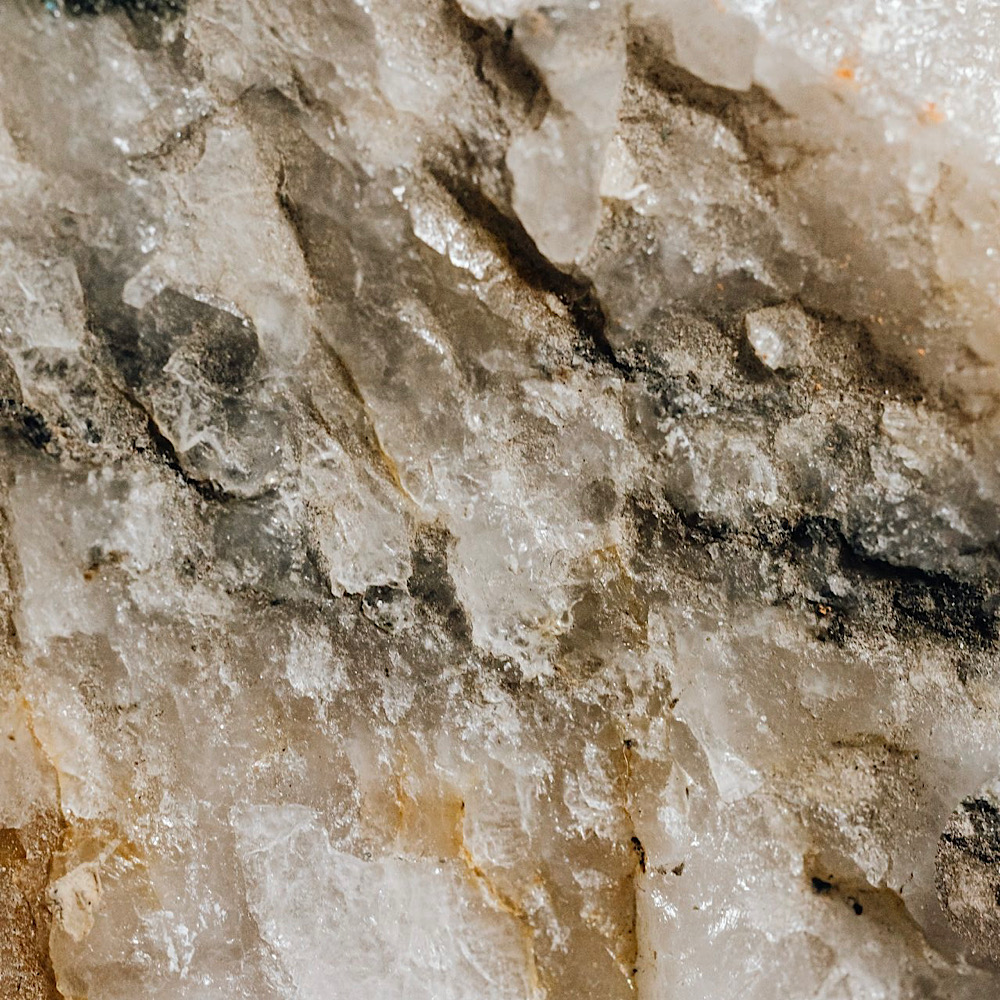
Mica (often listed as muscovite) is a naturally occurring mineral that:
-
Is mostly transparent to pearly
-
Adds slip, glow, and shimmer
-
Softly diffuses light on the skin
What mica does not do by itself:
-
Provide true coverage
-
Create solid, opaque colour
-
Turn a formula into a full-coverage base
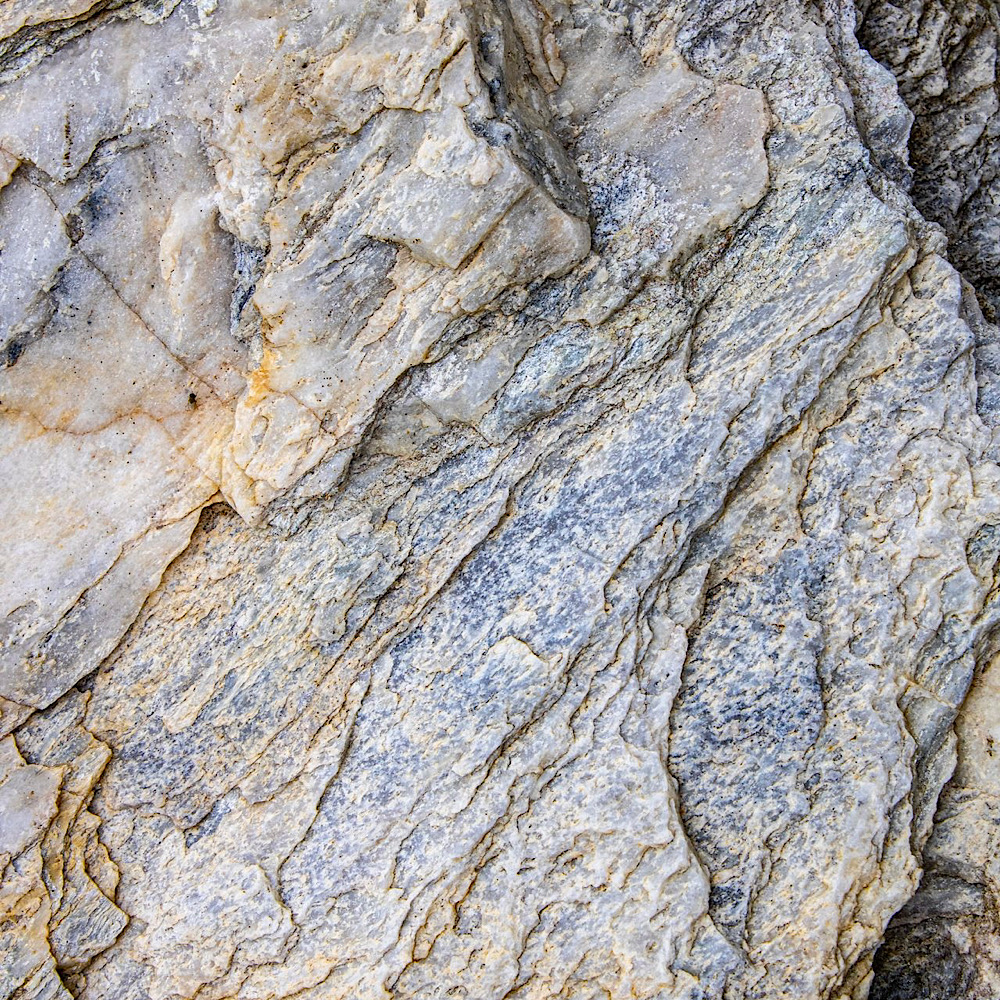
Plain mica is basically shimmer and glow. It’s beautiful, but it isn’t a concealer.
So if a product is marketed as “mica-based” and still manages to cover like makeup, it’s fair to ask:
What, exactly, is on that mica?
The receipts: mica suppliers and titanium dioxide
Here’s where your ingredient detective work comes in.
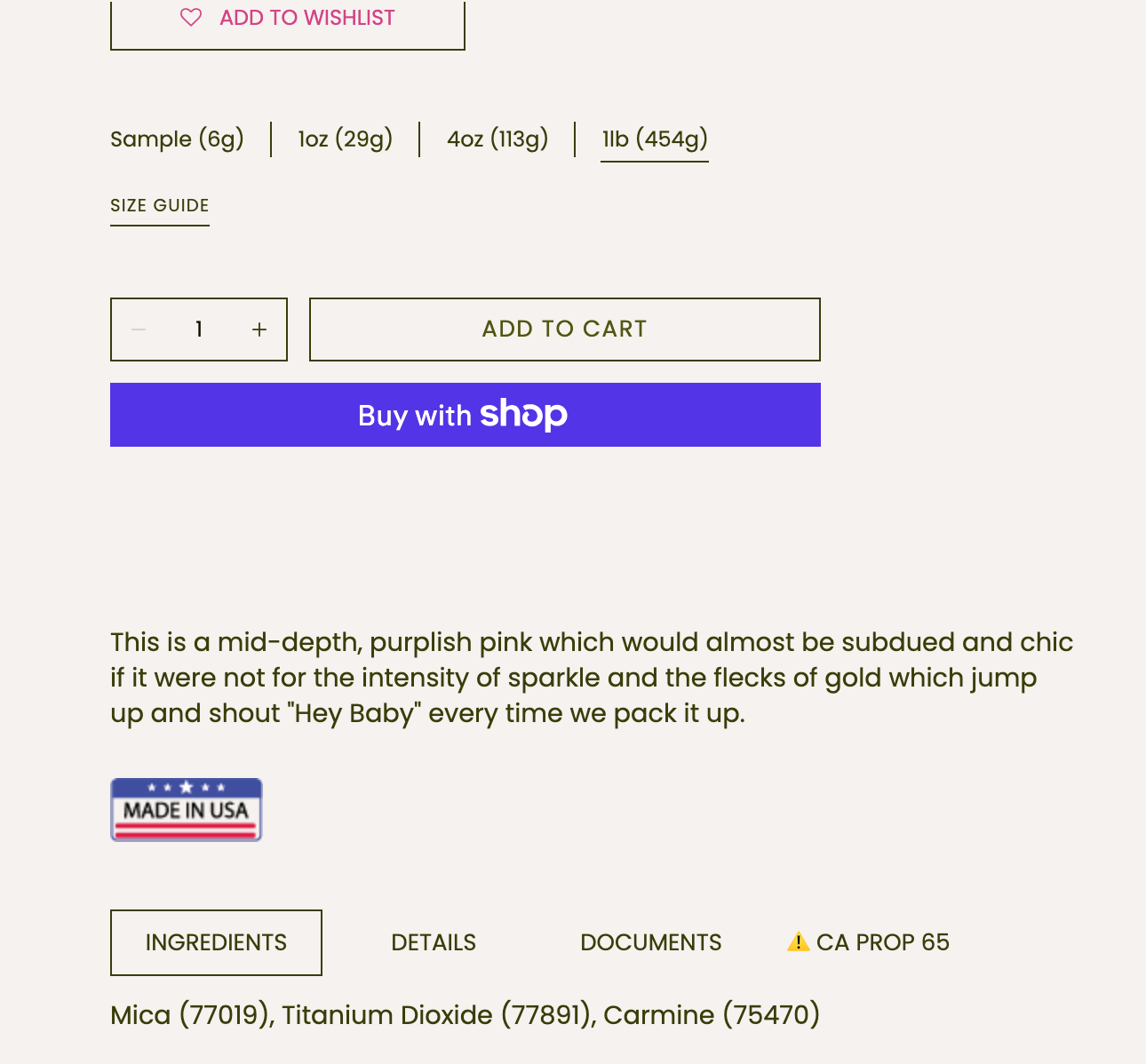
You’ll notice that many cosmetic “mica” colourants sold by suppliers list ingredients like:
-
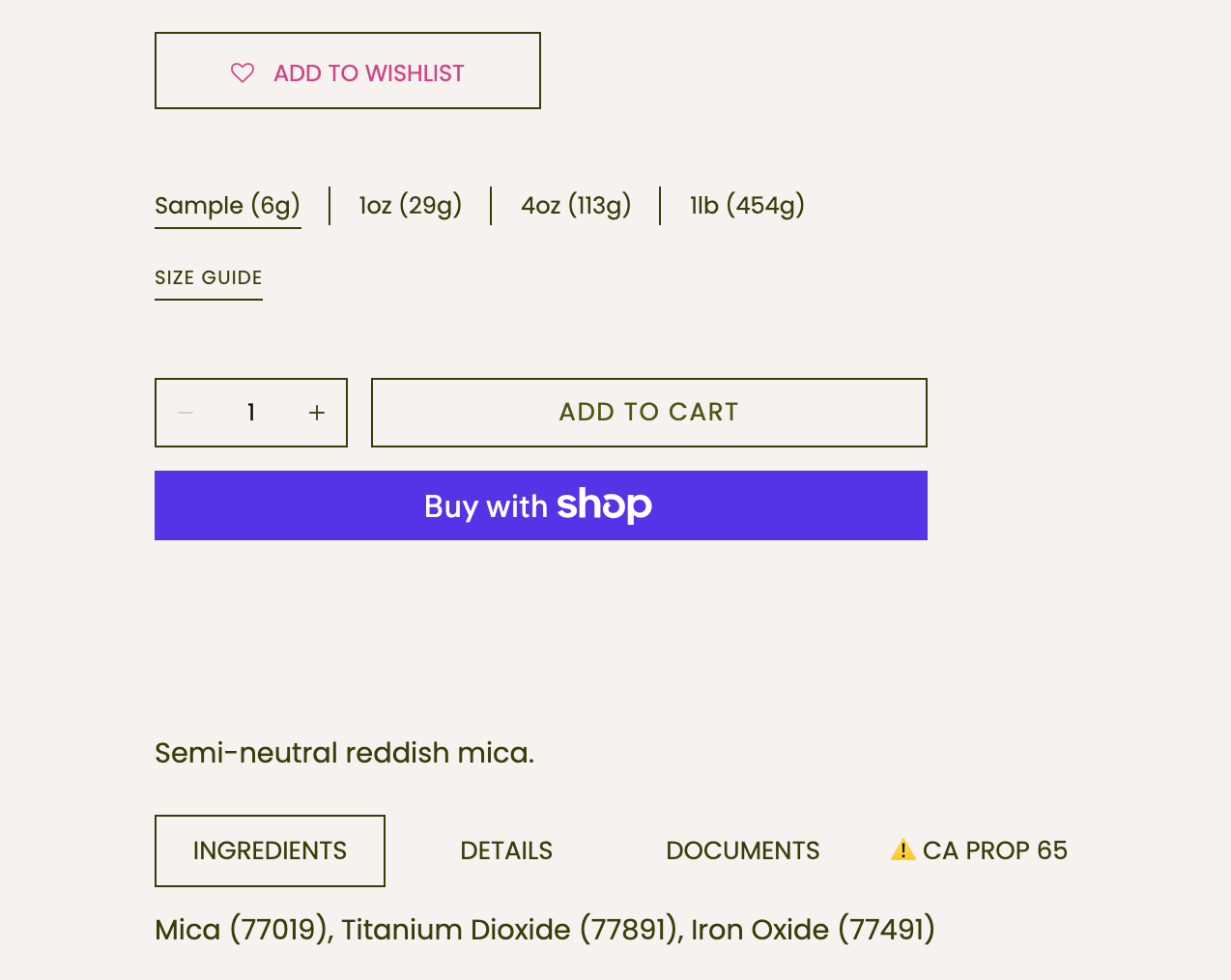
Mica, Titanium Dioxide
-
Mica, Titanium Dioxide, Iron Oxides
-
Mica, Titanium Dioxide, Petroleum Dyes
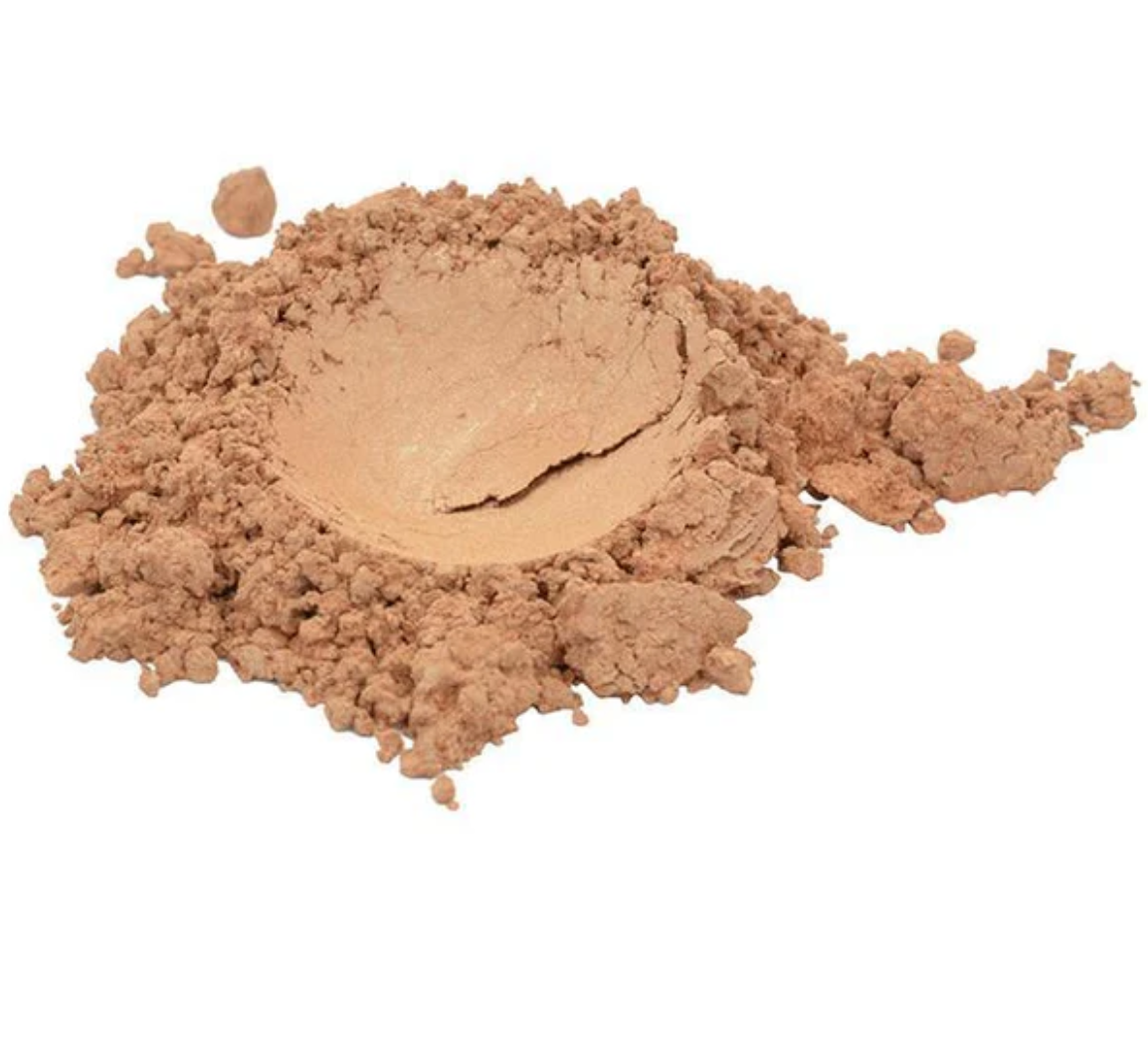
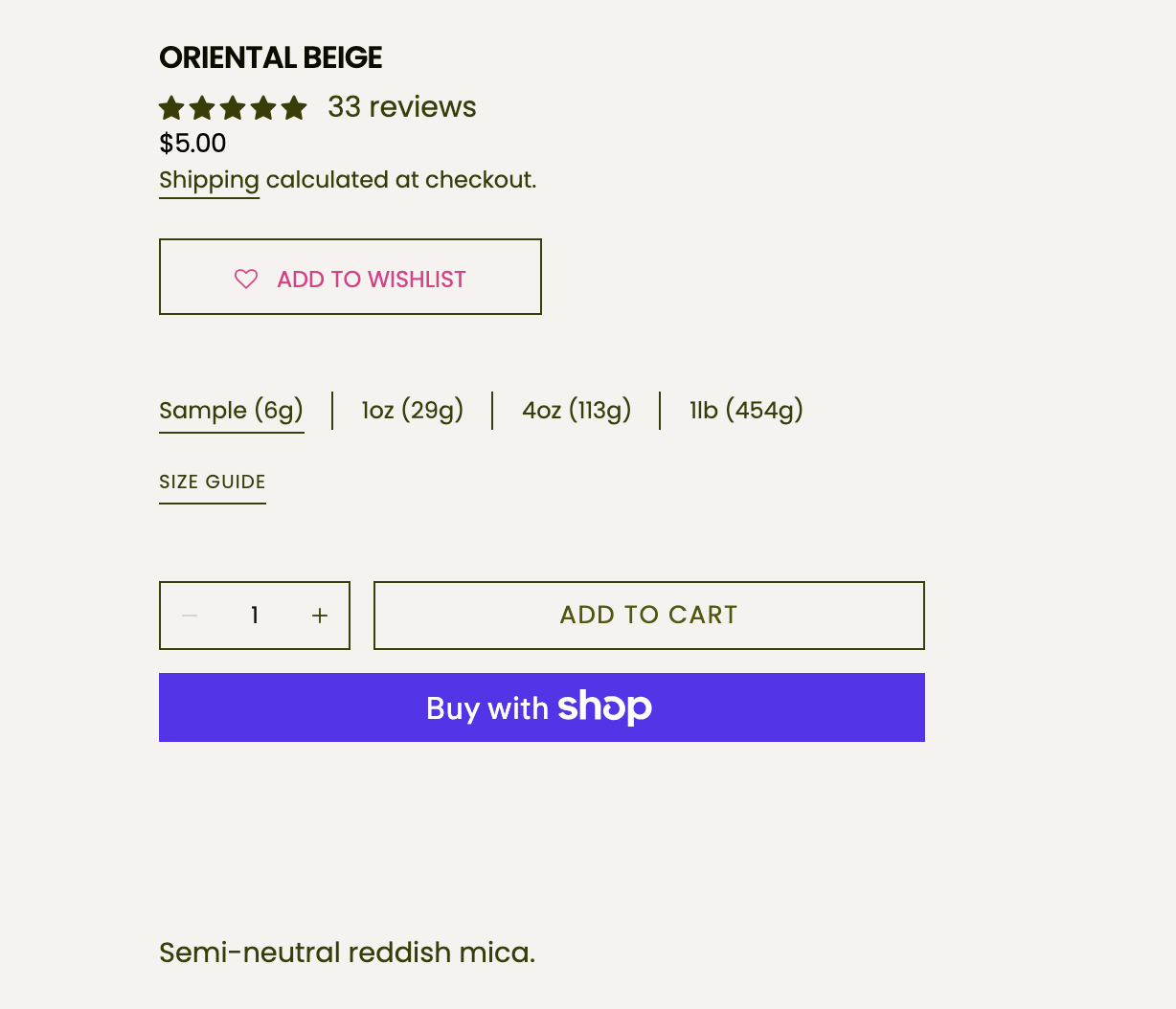
These aren’t just raw mica flakes. These are pigment-coated mica particles.
In other words, titanium dioxide is used to coat the mica to create pearlescent whites, highlighters, golds, pastels, and bright colours. The mica is the substrate; titanium dioxide is what gives it much of the opacity and brightness.
This matters because:
-
A brand can buy a colourant labelled “mica (CI …)” from a supplier
-
That “mica” already contains titanium dioxide as part of its composition
-
The finished product can then be marketed as “titanium dioxide free” if they only focus on bulk ingredients and not the coatings on their micas
Why “titanium dioxide free” can be a technical loophole
Here’s the marketing game in simple terms:
-
Remove standalone titanium dioxide from the formula
-
Use titanium-dioxide-coated mica or heavier petroleum dye colourant systems instead
-
Promote the product as “titanium dioxide free” because the raw material list no longer includes plain TiO₂
-
Rely on the fact that most customers will never read the full pigment breakdown
From a formulation perspective, the coverage and brightness often come from titanium dioxide one way or another. It’s just moved from being an obvious, standalone ingredient to hiding inside a colourant blend.
To your skin, the light doesn’t care whether the titanium dioxide is “bulk” or “on mica.”
To marketing, one of those versions makes for a much better “free from” claim.
For ingredient-conscious customers, this is about honesty
If someone chooses to avoid titanium dioxide—whether because of personal preference, comfort level, or skin reactions—they deserve more than a technicality.
They deserve to know:
-
Is titanium dioxide truly absent from this formula?
-
Or has it just been shifted into a coated mica so the front-of-label claim looks better?
-
If titanium dioxide really is gone, what pigments are being used instead to create coverage?
“Free from X” almost never means “no functional replacement for X.” It usually means:
“We swapped X for Y, and we’re hoping you won’t ask what Y is.”
How to read these labels more clearly
When you look at colour cosmetics, here are some questions to ask:
-
Does the ingredient list include mica plus other pigments like iron oxides, ultramarines, or titanium dioxide?
-
If a product claims “titanium dioxide free” but still looks like medium to full coverage, what pigment system is taking its place?
-
Is the ingredient list to colour the mica included (almost never for the end consumer), or are they listed with additional ingredients (for example, “Mica, Titanium Dioxide”)?
You don’t need a cosmetic chemistry degree to spot patterns. If your “mica-based” product behaves like a classic TiO₂-based foundation, there’s a good chance something very similar is at work.
My stance as a formulator
I’m not here to demonize every mineral pigment. I’m here to call out half-truths.
In my own formulations:
-
I treat ingredients as tools, not villains
-
I’m clear about what each ingredient does and why it’s there
-
I respect that some people want to avoid specific ingredients—and I believe they deserve transparent information, not label gymnastics
I went titanium dioxide free almost two decades ago.
If I did use titanium dioxide, I would tell you where and why.
If I did use mica, I would be honest about whether it’s just there for glow or if it’s part of a pigment system.
Because your skin and whole body healthy deserve clarity—literally and figuratively.